Understanding the Importance of Choosing a Reliable Water Treatment System Supplier
Choosing a reliable water treatment system supplier is critical for companies and municipalities aiming to address their water treatment challenges effectively. As fresh water scarcity and wastewater management become pressing global issues, selecting the right supplier to deliver innovative and compliant solutions can be a game changer. With so many options available in today’s marketplace, it is essential to narrow down choices based on specific needs and the supplier's expertise. When exploring options, Water Treatment System Supplier offers comprehensive insights into high-quality solutions tailored for various applications.
Defining Your Water Treatment Needs
The initial step in selecting a water treatment supplier is to clearly define the specific needs of your project or operation. Are you looking for solutions for drinking water, industrial wastewater, or municipal sewage? Each application comes with unique requirements in terms of technology, capacity, and regulatory compliance. Conduct a thorough assessment of your needs, preparing a detailed list of specifications to help guide discussions with potential suppliers. This foundational understanding will be crucial in ensuring that the selected systems align with your operational goals and regulatory requirements.
Assessing Supplier Expertise and Experience
Experience within the water treatment industry is a key factor to consider when selecting a supplier. Evaluate the supplier's history in handling projects similar to yours, focusing on their expertise in process design, engineering capabilities, and successful project completions. A supplier with a proven track record is likely to deliver higher-quality systems and services, as they are more familiar with common challenges and best practices. Look for customer testimonials, case studies, and industry awards to gauge their reputation.
Evaluating Technology and Equipment Quality
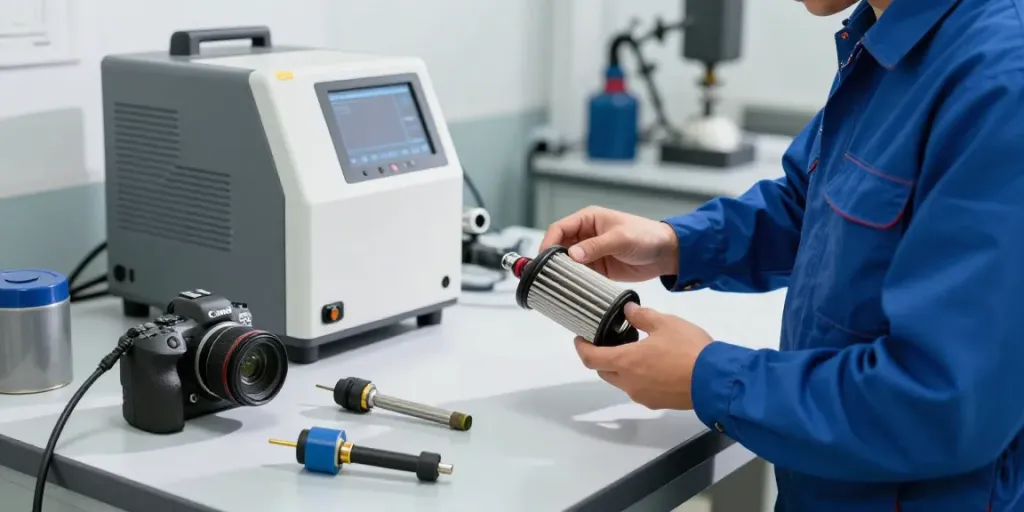
The technology used in a water treatment system significantly affects its efficiency, reliability, and sustainability. Examine the equipment and technologies offered by suppliers, considering factors such as energy consumption, material durability, and ease of maintenance. Cutting-edge technologies, such as membrane filtration, reverse osmosis, and advanced oxidation processes, can enhance the treatment effectiveness and reduce the environmental impact. Always ensure that the chosen systems comply with local regulatory standards.
Comparing Different Types of Water Treatment Systems
Understanding the differences between integrated and standalone water treatment systems is crucial when evaluating options. Integrated systems tend to offer streamlined solutions that encompass multiple treatment stages within a single framework, while standalone systems provide more flexibility and customization for specific treatment processes. Analyze the pros and cons of each type, assessing factors like installation space, operational complexity, and potential scalability to determine the best fit for your needs.
Integrated vs. Standalone Systems
Integrated water treatment systems combine various treatment processes into one system, providing a unified solution that can save space and reduce operational costs. These systems are particularly advantageous for large-scale applications requiring quick deployment and consistent monitoring. On the other hand, standalone systems allow for tailored solutions that can be adapted over time as technology improves or operational needs change. Understanding the context of your water treatment requirements can help you determine which system type is best suited for your operational environment.
Regulatory Compliance in Water Treatment Solutions
Regulatory compliance is non-negotiable in the water treatment industry, as it ensures that the systems adhere to local and international standards for water quality and safety. When evaluating suppliers, inquire about their understanding and commitment to compliance with relevant regulations, such as the Safe Drinking Water Act (SDWA) in the United States or the European Union Water Framework Directive. This commitment not only protects public health but also mitigates the risk of costly fines and legal issues down the line.
Environmental Considerations for Sustainable Systems
As the world becomes more environmentally conscious, selecting suppliers who prioritize sustainability in their products and practices is essential. Evaluate water treatment systems that are designed to minimize energy consumption, reduce chemical use, and promote resource recovery. Systems employing innovative technologies like membrane bioreactors or advanced oxidation processes can significantly reduce the environmental footprint. Additionally, consider suppliers that actively participate in sustainability initiatives and have certifications in environmental management.
Factors Influencing Supplier Selection
Choosing the right water treatment system supplier involves considering various factors, from cost to reliability and reputation. It is crucial to balance cost against the value provided by a supplier in terms of quality, innovation, and ongoing support. A comprehensive evaluation will enable you to make an informed decision that aligns with your operational and financial objectives.
Cost vs. Value in Water Treatment Solutions
While cost is a significant consideration, it should not overshadow the value that a supplier can bring to your project. A cheaper solution may save money upfront but can lead to higher operational costs, frequent maintenance issues, or regulatory non-compliance in the long run. Evaluate potential suppliers based on total lifecycle costs, including installation, operation, maintenance, and the potential need for upgrades or expansions.
Supplier Reputation and Customer Feedback
A supplier’s reputation in the industry is a strong indicator of their reliability and quality of service. Seek out customer feedback through reviews, testimonials, and case studies. Engaging with current or past clients can provide valuable insights into their experiences with the supplier, including support services, product performance, and overall satisfaction. Look for suppliers with a strong commitment to customer service and long-term relationships.
Support Services and Warranties Offered
Support services are a crucial aspect of supplier selection. Investigate the types of support offered by potential suppliers, including installation, training, ongoing maintenance, and emergency assistance. Warranties on equipment and performance guarantees can also provide peace of mind, ensuring that your investment is protected against unforeseen issues. A supplier that offers comprehensive support demonstrates their commitment to customer satisfaction and the longevity of your water treatment systems.
Best Practices for Engaging with Water Treatment System Suppliers
Engaging with suppliers in a structured and informed manner can lead to successful partnerships that enhance operational efficiency and water treatment outcomes. Establishing clear communication, defining expectations, and discussing performance metrics are fundamental steps in ensuring a beneficial collaboration.
How to Conduct Supplier Interviews Effectively
When interviewing potential suppliers, prepare a list of key questions that address your specific needs, technology requirements, and service expectations. Focus on their technical capabilities, project management experience, and approach to compliance and sustainability. Effective communication during the interview process can help clarify any uncertainties and set the groundwork for a successful partnership.
Identifying Key Performance Indicators for Successful Partnerships
Establishing clear key performance indicators (KPIs) will help both parties define success in their partnership. Common KPIs include system reliability, energy efficiency, compliance rates, and customer satisfaction. Regularly reviewing these indicators can foster transparency and accountability, ensuring alignment between your organization and the supplier.
Building Long-Term Relationships with Your Suppliers
Investing in long-term relationships with suppliers can yield significant advantages, including preferential pricing, better support, and collaborative innovation. Engage suppliers in strategic discussions about future projects, technology developments, or regulatory changes. Building a partnership based on mutual trust and respect can create opportunities for joint ventures or collaborative problem-solving.
Future Trends in Water Treatment Systems for 2026 and Beyond
As the world continues to grapple with water scarcity and environmental concerns, the future of water treatment systems is poised for transformative changes. Innovations in technology, shifts toward sustainability, and new regulatory landscapes will shape the industry over the next few years.
Advancements in Technology and Automation
The incorporation of automation and advanced technologies is set to revolutionize water treatment. The rise of smart water technologies, including IoT sensors and AI-driven analytics, will enhance real-time monitoring and improve system efficiency. Automation can also streamline operations, reduce human error, and optimize maintenance schedules, ultimately leading to safer and more resilient water treatment systems.
The Rise of Containerized Solutions for Rapid Deployment
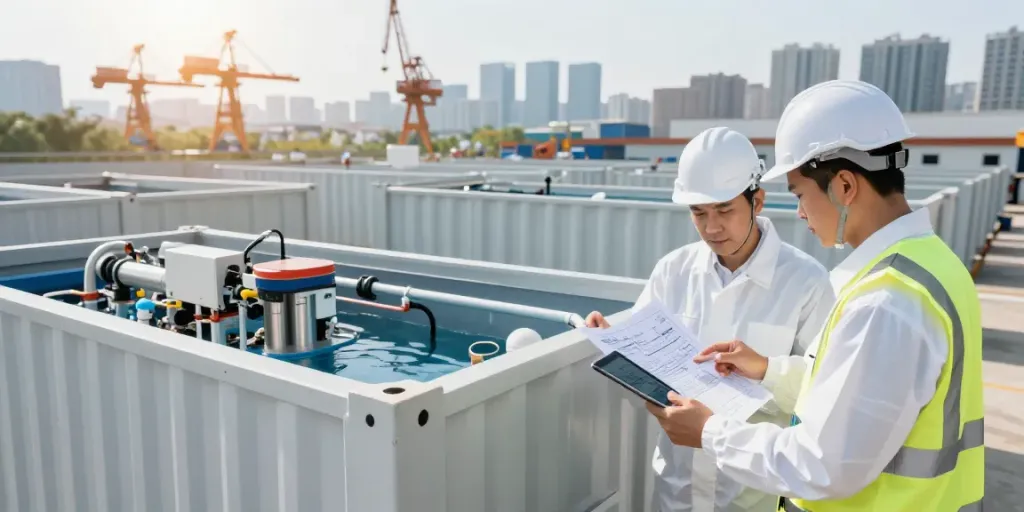
Containerized water treatment systems offer an efficient solution for industries and municipalities needing quick access to reliable water treatment options. These modular systems can be rapidly deployed in various settings, including remote areas or during emergencies. With their versatility, containerized solutions can be tailored to meet the unique challenges of different applications, making them an increasingly popular choice among water treatment suppliers.
Impact of Global Water Challenges on Supplier Selection
As global water challenges intensify due to population growth, climate change, and industrial demands, the criteria for selecting water treatment system suppliers will evolve. Suppliers must demonstrate adaptability to changing regulations, innovation in sustainable practices, and a commitment to addressing the unique needs of their clients. The leading suppliers in the coming years will be those who proactively respond to these challenges, offering solutions that prioritize resilience and compliance.
What regulatory standards should I consider when selecting a water treatment system supplier?
Understanding the relevant regulatory standards is essential when selecting a water treatment system supplier. Key regulations such as the US EPA's SDWA, state-specific regulations, or international standards like the ISO 14001 for environmental management must be considered. A supplier with a deep understanding of these regulations can ensure compliance and help mitigate future legal risks.
How do I assess the technology used by a water treatment system supplier?
Assessing the technology used by suppliers begins with understanding their product offerings and how they align with your specific needs. Inquire about the materials, processes, and innovations incorporated into their systems. Request examples of successful project implementations that showcase their technology's effectiveness and efficiency in real-world scenarios.
What are the costs associated with containerized water treatment systems?
The costs of containerized water treatment systems vary widely based on factors such as system size, type of treatment processes, and customization requirements. It's crucial to evaluate not only the initial capital expenditure but also the long-term operational costs, including maintenance, energy usage, and potential scalability.
Can water treatment system suppliers offer sustainability certifications?
Yes, many water treatment system suppliers can provide sustainability certifications, which indicate adherence to environmental standards and practices. These certifications may include ISO certifications, LEED status for buildings, or specific environmental management certifications. Such credentials can bolster a supplier's credibility and commitment to sustainable practices.
How do I find reliable suppliers in my area for water treatment system needs?
To find reliable suppliers, consider engaging with industry associations, attending trade shows, and leveraging online resources to research potential options. Engage with local government bodies or industry networks that can provide recommendations based on their experiences. Additionally, online reviews and case studies can offer insights into the credibility and reliability of suppliers in your area.