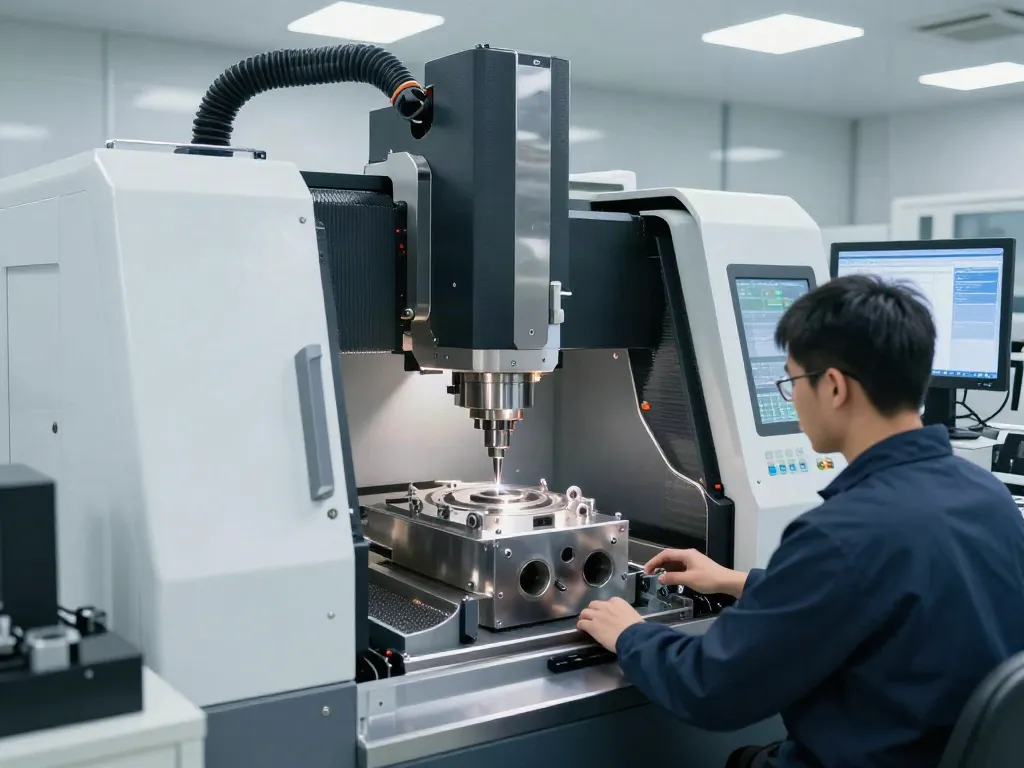
The Importance of CNC Machining in Aerospace Manufacturing
CNC machining stands at the forefront of aerospace manufacturing, offering unparalleled precision and efficiency essential for developing complex aerospace components. Aerospace applications demand strict adherence to precision and accuracy standards due to factors such as safety and performance. As a result, leading aerospace CNC parts manufacturers continually push the boundaries of technology to meet these requirements. When exploring options, leading aerospace cnc parts manufacturers provide comprehensive insights into the innovations shaping this sector.
Precision and Accuracy Standards
In the aerospace industry, components are often subjected to extreme operating conditions, requiring exceptional precision. CNC machining enables the production of parts with tolerances as tight as ±0.001 inches. This level of accuracy is vital for the performance of critical components, such as turbine blades and structural frames. Implementing strict quality assurance processes, including advanced metrology techniques, ensures adherence to the required standards, thereby enhancing safety and reliability.
Material Selection for Aerospace Components
The choice of materials in aerospace CNC machining is crucial, with multiple options available for both metal and plastic components. Traditional aerospace metals like aluminum, titanium, and stainless steel are favored for their strength-to-weight ratios and corrosion resistance. Innovations in materials also encompass composites and advanced alloys that further reduce weight while enhancing performance. Additionally, emerging polymers (like PEEK and POM) are increasingly being utilized for their lightweight and durable nature.
Cost Efficiency and Time Savings
One of the significant advantages of CNC machining in aerospace manufacturing is its cost efficiency and time savings. Automated processes allow for faster production cycles and reduced labor costs. Furthermore, CNC technology minimizes material waste, which is particularly beneficial in an industry characterized by high material costs. Streamlining the prototyping to production processes through techniques such as digital twin simulations helps manufacturers forecast outcomes and avoid costly errors.
Key Technologies in CNC Machining
Advanced CNC Machinery in Aerospace
Modern CNC machining employs cutting-edge machinery capable of executing intricate designs. Five-axis CNC machines, for instance, provide the ability to machine components with complex geometries that would be impossible with traditional machining methods. Additionally, multichannel machines can simultaneously perform several operations, enhancing overall productivity. These advancements contribute significantly to the capabilities of leading aerospace CNC parts manufacturers, enabling them to meet rigorous aerospace specifications.
Software and Automation Trends
Automation plays a fundamental role in advancing CNC machining technology. The integration of AI-driven software solutions allows for real-time adjustments and improvements in the machining process. Manufacturers are leveraging data analytics and IoT devices to monitor machine performance and predict maintenance needs, ensuring higher uptime rates. Moreover, machine learning algorithms can optimize machining parameters, resulting in enhanced precision and reduced cycle times.
Quality Control Innovations
Quality assurance has evolved significantly with the advent of machine vision systems and in-process monitoring technologies. These innovations enable manufacturers to conduct real-time inspections of machined parts, identifying defects immediately and reducing the likelihood of rework. Automated inspection processes linked to CNC machines not only streamline quality control but also enhance compliance with industry standards such as AS9100 and ISO 9001.
Prototyping and Production Processes
Rapid Prototyping Techniques
Rapid prototyping is vital in the aerospace sector, facilitating quicker iterations of part designs. Techniques such as additive manufacturing, commonly known as 3D printing, complement traditional CNC processes by allowing for the quick production of prototype parts from various materials. This approach enables engineers to validate designs rapidly, reducing the risk of errors in final production.
From Prototypes to Mass Production
Transitioning from prototype to mass production in aerospace involves a thorough understanding of both the design and manufacturing processes. Manufacturers utilize methods like Design for Manufacturability (DFM) to ensure that designs can be efficiently produced at scale. Lessons learned during the prototyping phase inform adjustments to tool paths and production methodologies, significantly enhancing production timelines and minimizing costs.
Custom Manufacturing Solutions
Custom manufacturing solutions are essential for meeting the unique requirements of different aerospace clients. Manufacturers often provide tailored services ranging from low-volume custom parts to high-volume commodity components. Through partnerships with aerospace companies, manufacturers can offer specialized expertise and technologies that align closely with the specific needs of complex aerospace applications.
Material Strategies for Aerospace Applications
Common Aerospace Metals and Plastics
The selection of materials in aerospace CNC machining plays a critical role in achieving the desired performance characteristics. Some of the most common metals used include:
- Aluminum: Lightweight and highly corrosion-resistant, often used in aircraft structures.
- Titanium: Renowned for its strength and ability to withstand high temperatures, frequently utilized in engine components.
- Stainless Steel: Valued for its durability and resistance to oxidation, used in various applications from structural supports to fasteners.
In addition to metals, various plastics like PEEK and PMMA are gaining traction due to their favorable characteristics for specific aerospace applications, such as insulating properties and lightweight performance.
Innovative Materials for Lightweighting
With the increasing focus on fuel efficiency and reducing emissions in the aerospace industry, lightweight materials have become a key area of innovation. Advanced composites, such as carbon-fiber-reinforced polymers (CFRP), offer excellent strength-to-weight ratios. These materials not only reduce the overall weight of the aircraft but also improve fuel efficiency, thus addressing environmental concerns and regulatory pressures.
Future Trends in Aerospace Materials
The future of aerospace materials is likely to be influenced by advances in nanotechnology and the exploration of new alloy systems. Researchers are investigating materials that incorporate nano-sized additives, enhancing mechanical properties, thermal resistance, and weight reduction. Additionally, the trend toward sustainability is prompting a shift toward recyclable materials and bio-based composites, providing further opportunities for innovation in aerospace manufacturing.
Challenges and Solutions in Aerospace CNC Machining
Addressing Complex Geometries
Complex geometries present significant challenges in CNC machining, particularly in aerospace applications where shapes must accommodate intricate designs. Advanced CAD/CAM software allows engineers to model these geometries effectively, enabling the optimal planning of machining strategies. By employing simultaneous five-axis machining and specialized tooling, manufacturers can achieve the necessary precision while addressing complex shapes and contours.
Regulatory Compliance and Standards
Meeting rigorous industry standards is paramount in aerospace CNC machining. Compliance with regulations such as FAA and EASA guidelines requires strict documentation and quality assurance practices. Implementing a robust quality management system that encompasses continuous improvement processes is critical for manufacturers to demonstrate compliance and minimize risks associated with non-conformance.
Scaling Operations and Maintaining Quality
As demand for aerospace components grows, manufacturers face the challenge of scaling operations while maintaining quality standards. Lean manufacturing principles coupled with scalable CNC technologies allow for the efficient allocation of resources. Additionally, investing in employee training and development ensures that workers are skilled in utilizing advanced technologies, contributing to the overall quality and efficiency of production processes.
FAQs
What are the top aerospace components manufacturers?
Leading aerospace components manufacturers include companies like Boeing, Airbus, and Lockheed Martin, among others, renowned for their commitment to precision engineering and innovation.
How does CNC machining improve aerospace part quality?
CNC machining enhances aerospace part quality through precise tolerances, reduced human error, and consistent replication of designs during production. Advanced quality control technologies further ensure adherence to stringent standards.
What materials are commonly used in aerospace CNC machining?
Common materials in aerospace CNC machining include aluminum, titanium, stainless steel, and various advanced composites. These materials are selected for their strength-to-weight ratios, durability, and suitability for high-performance applications.