Understanding Mini Split Air Conditioners
In today's ever-evolving world of home comfort solutions, mini split air conditioners have emerged as an innovative and efficient option for both residential and commercial spaces. These systems are favored for their flexibility, ease of installation, and effective climate control capabilities. Whether you're looking to cool a single room or an entire property, the versatility and efficiency of a mini split air conditioner can make it an ideal choice. When exploring options, mini split air conditioner solutions provide comprehensive insights that cater to your specific needs.
What is a Mini Split Air Conditioner?
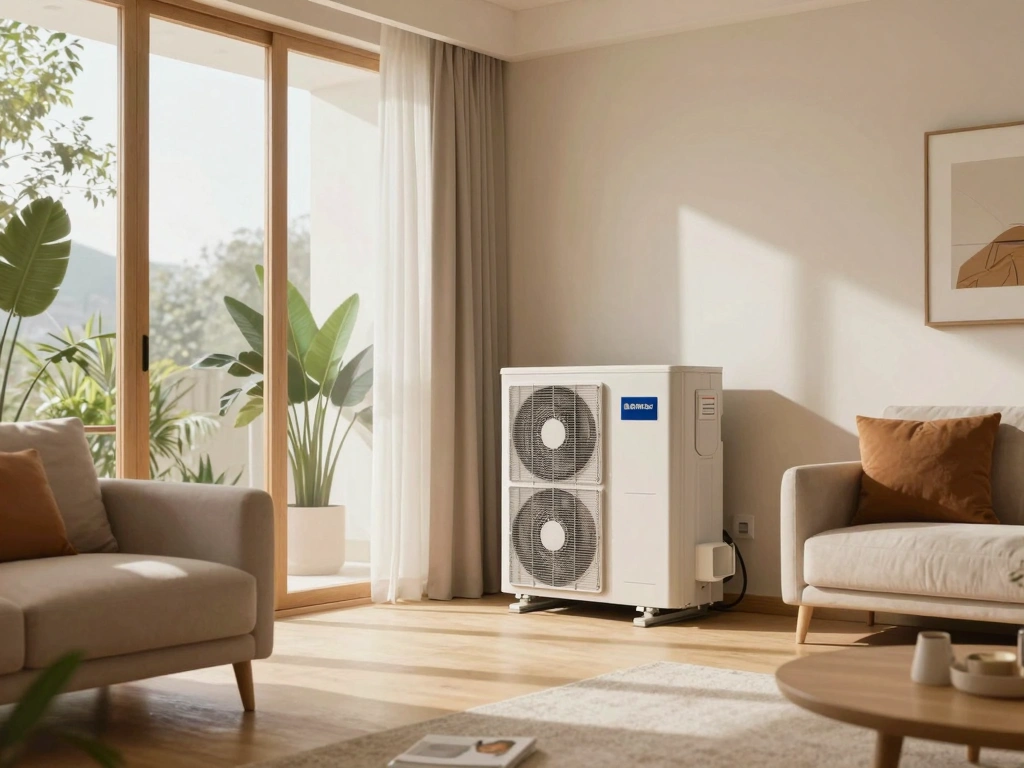
A mini split air conditioner is a type of ductless HVAC (heating, ventilation, and air conditioning) system that consists of two main components: an outdoor condenser and one or more indoor air handling units. This separation allows for greater flexibility in installation and operation, enabling users to control the temperature of individual rooms or zones independently. By eliminating the need for ductwork, mini splits can be installed in various settings, from single-family homes to apartments, making them a popular choice for homeowners and renters alike.
Key Components and Functionality
The primary components of a mini split air conditioner include:
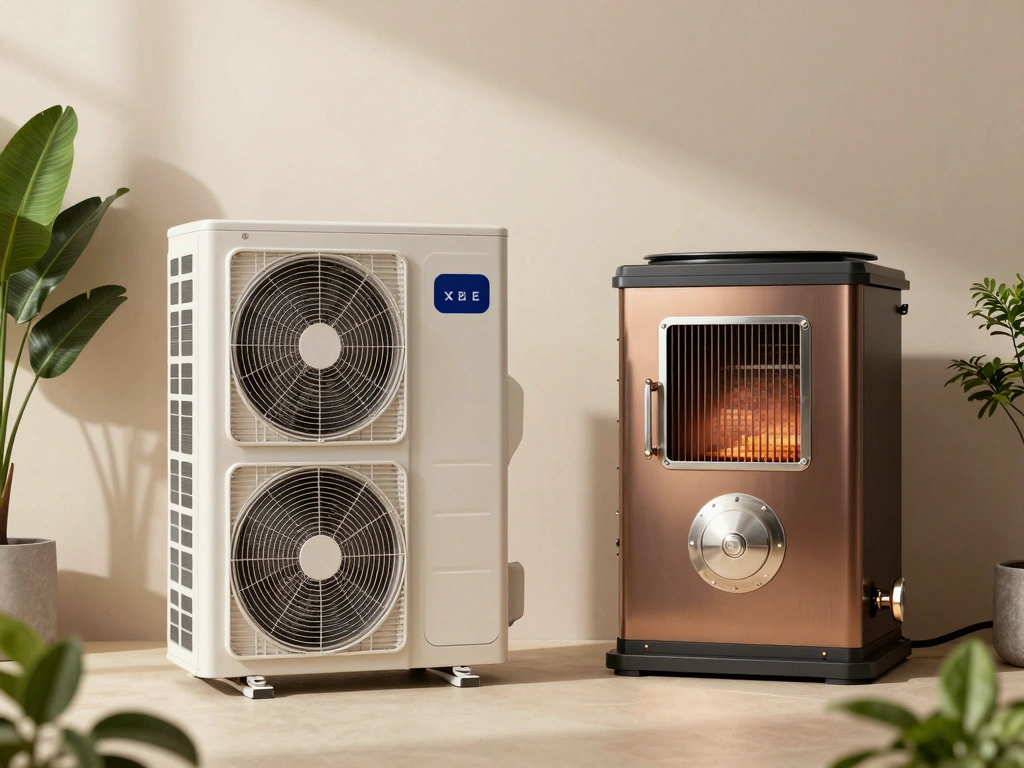
- Outdoor Unit: Contains the compressor and condenser coil. It expels heat from the indoor environment.
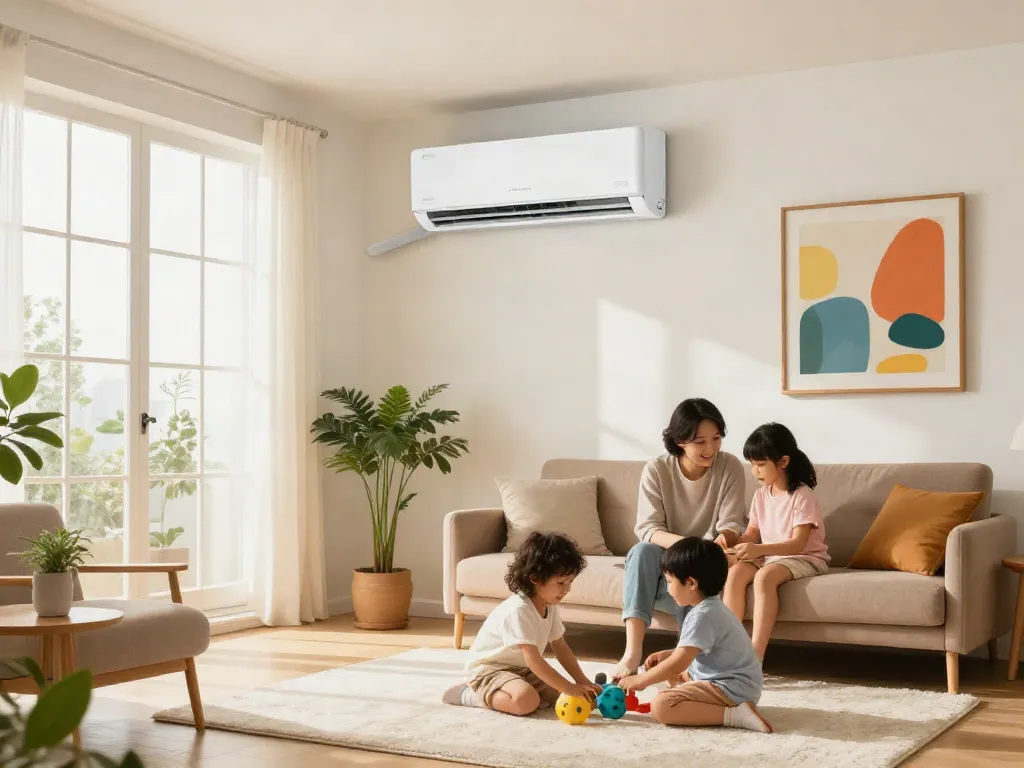
- Indoor Unit: Includes the evaporator coil and fan. It absorbs heat from the indoor air and circulates cool air back into the space.
- Refrigerant Lines: Connect the indoor and outdoor units, allowing the transfer of heat. These lines are insulated for efficiency.
- Remote Control or Thermostat: Facilitates ease of operation, allowing users to set temperatures and modes from anywhere in the room.
Mini splits operate on a simple principle: they transfer heat from one space to another using refrigerant, which absorbs heat from indoors and releases it outdoors, effectively cooling the space.
Comparison with Traditional HVAC Systems
When comparing mini split systems to traditional HVAC systems, several factors come into play:
- Installation: Traditional systems require extensive ductwork, making installation complex and often costly. In contrast, mini splits can be installed with minimal invasive work.
- Energy Efficiency: Mini splits generally have higher SEER (Seasonal Energy Efficiency Ratio) ratings, translating to lower energy bills and a reduced carbon footprint.
- Zone Control: Unlike central systems that heat or cool an entire home, mini splits allow users to target specific rooms, resulting in enhanced comfort and efficiency.
- No Duct Loss: Traditional systems often lose significant energy through leaky ducts, an issue that mini splits do not face.
Benefits of Mini Split Air Conditioners
Energy Efficiency and Cost Savings
One of the most significant advantages of mini split air conditioners is their energy efficiency. These systems utilize inverter technology, which adjusts the compressor speed to maintain desired temperatures without excessive cycling. This leads to substantial energy savings compared to window units and traditional HVAC systems. Homeowners can expect to see a reduction in utility bills, making mini splits a financially sound investment over time.
Versatile Installation Options
Mini splits offer unparalleled versatility in installation. They can be mounted on walls, ceilings, or even recessed into spaces, accommodating various settings and aesthetic preferences. This adaptability makes them suitable for homes with limited space for traditional ductwork, as well as for renovation projects where adding ducts is impractical.
Improved Air Quality and Comfort
Because mini splits operate without ducts, they eliminate issues related to dust, allergens, and other pollutants commonly found in ducted systems. The filtration systems in mini splits also help to improve indoor air quality by trapping particles and allergens. Moreover, the ability to control temperatures in individual rooms enhances comfort levels, allowing family members to tailor their environment to their preferences.
Choosing the Right Mini Split Air Conditioner
Factors to Consider Before Purchase
When selecting a mini split air conditioner, consider the following:
- BTU Rating: Calculate the required BTU (British Thermal Units) for your space to ensure optimal cooling performance.
- Energy Efficiency: Look for models with high SEER ratings for energy savings.
- Number of Zones: Determine how many indoor units you’ll need based on the rooms you wish to cool.
- Brand Reputation: Research popular brands known for reliability and customer service.
Popular Brands and Models in 2026
As of 2026, several brands lead the market in mini split air conditioners. Brands like Mitsubishi, Daikin, and LG are recognized for their innovative features, durability, and efficiency. Always check for the latest models that incorporate advanced technology, such as Wi-Fi connectivity and smart home integration.
Installation Best Practices and Tips
Proper installation is crucial for maximizing the performance of your mini split system. Here are some best practices:
- Ensure the outdoor unit is placed in a shaded area to improve efficiency.
- Keep indoor units free from obstructions to allow for optimal airflow.
- Hire a licensed professional for installation to comply with local codes and warranties.
Common Misconceptions About Mini Split Systems
Understanding Installation Costs
Many people assume that the initial cost of a mini split installation is prohibitive. However, while the upfront expense may be higher compared to traditional systems, the savings in energy bills and maintenance costs can often outweigh this investment over time. Additionally, the ease of installation allows for flexibility in budgeting.
Noise Levels and Performance Issues
A common concern with mini split systems is the perceived noise levels. While older models may have been noisier, advancements in technology have led to much quieter systems. Most modern mini splits operate at decibel levels comparable to a whisper, ensuring minimal disruption.
Maintenance Requirements Explained
People often believe that mini splits require excessive maintenance. In reality, these systems are quite user-friendly. Regular cleaning of the filters and periodic professional servicing will keep the units running efficiently. Homeowners should also make sure that the outdoor unit is free of debris.
Future Trends for Mini Split Air Conditioners
Technological Innovations
The future of mini split air conditioners is bright, with ongoing innovations such as enhanced inverter technology that further increases energy efficiency. Features like self-cleaning capabilities and advanced filtration systems are also expected to rise, improving performance and indoor air quality.
Integration with Smart Home Systems
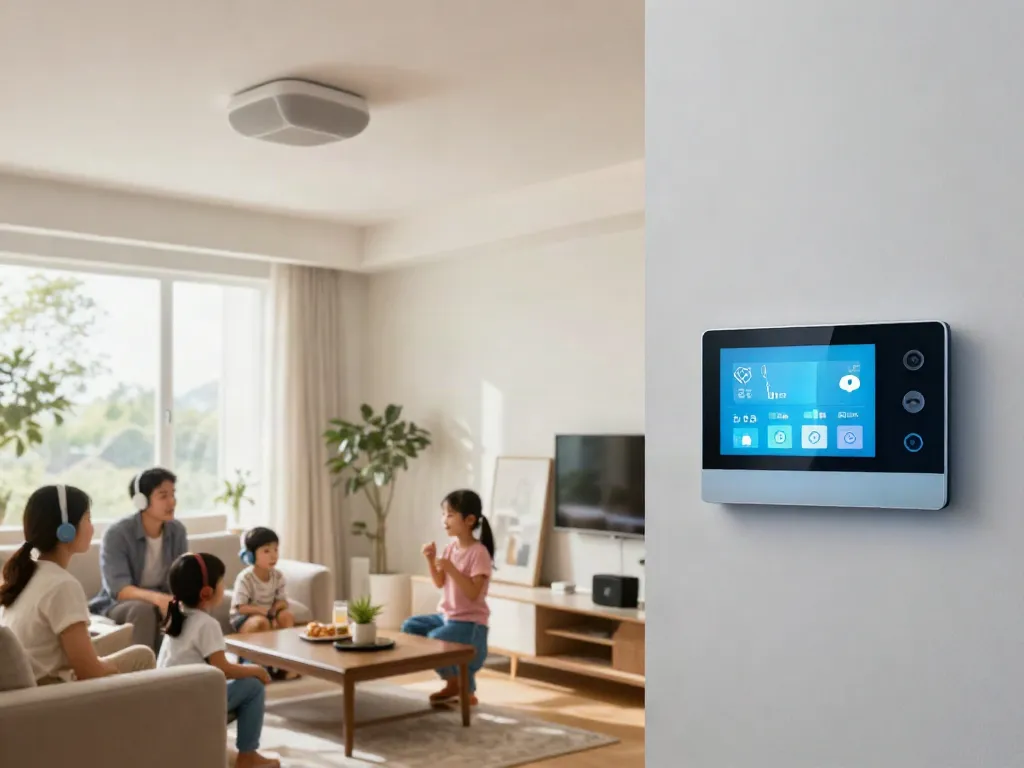
As smart home technology continues to proliferate, mini split systems are increasingly being designed for integration with home automation systems. This allows users to control temperature settings, monitor energy consumption, and manage maintenance alerts from their smartphones or other connected devices.
Predictions for the HVAC Market by 2026
By 2026, the HVAC market is anticipated to see a significant shift towards more energy-efficient solutions, with mini split systems at the forefront. Increased demand for eco-friendly technology and the rise of urban living will make these systems even more appealing to homeowners and business owners looking for efficient climate control solutions.
What are the disadvantages of a mini split?
While mini split air conditioners have numerous advantages, they are not without their drawbacks. Potential disadvantages include the upfront installation cost, which can be higher than traditional systems, and the aesthetic impact of indoor units on home decor. Additionally, mini splits have limitations in extremely cold climates without proper insulation and support.
Is a mini split air conditioner worth it?
Investing in a mini split air conditioner can be worth it for many homeowners, especially those seeking energy efficiency, versatility, and improved comfort. By targeting specific areas and allowing for precise temperature control, mini splits can enhance the overall living experience and save money on energy bills over time.
Why is my electric bill so high with mini split?
If you experience high electric bills while using a mini split system, several factors could be at play. These may include improper sizing of the unit, leading to overworking of the system, lack of regular maintenance, or external factors such as poor insulation in your home. Regularly checking these aspects can help maintain efficient operation and lower energy costs.