Understanding Smart Homes and Their Advantages
In the rapidly evolving world of technology, smart homes have emerged as a revolutionary concept that offers unparalleled convenience, security, and efficiency. A smart home utilizes internet-connected devices that enable homeowners to monitor and manage their home environment from anywhere in the world. From smart locks to automated lighting systems, these technologies enhance our daily lives, making tasks easier and more efficient. When exploring options, خانه هوشمند جهان اسمارت provides comprehensive insights into the latest innovations in home automation.
What is a Smart Home?
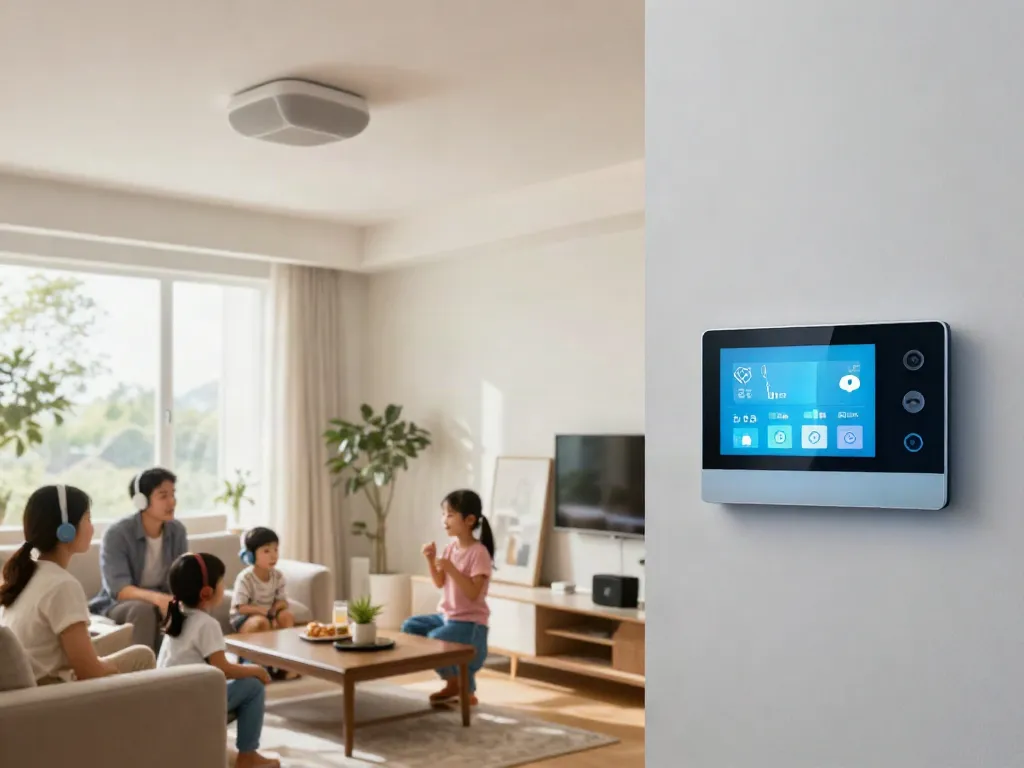
A smart home is defined by its integration of devices and appliances that connect to a central hub through the internet. This allows for the automation of various home functions, improving both utility and comfort. Smart devices can range from security systems, HVAC (heating, ventilation, and air conditioning), to entertainment systems. One of the pivotal aspects of these homes is the ability to control all devices remotely via smartphones or voice-controlled assistants.
Benefits of Smart Home Technologies
The advantages of adopting smart home technologies are manifold. Here are some essential benefits:
- Enhanced Security: Smart locks, cameras, and alarm systems can be controlled remotely, providing real-time monitoring and alerts.
- Energy Efficiency: Smart thermostats and lighting systems can optimize energy consumption, significantly reducing utility bills.
- Convenience: Automation allows for scheduling and controlling devices, making daily tasks simpler.
- Customization: Homeowners can tailor their environments to suit personal preferences easily.
- Increased Property Value: A smart home can attract potential buyers, reflecting modernity and efficiency.
Common Components of a Smart Home
Common elements found in smart homes include:
- Smart Locks: These offer keyless entry and enhanced security measures.
- Smart Lighting: Automated lighting can change brightness and color based on time of day or activity.
- Smart Thermostats: These learn your habits and adjust heating and cooling for optimal comfort and energy savings.
- Smart Speakers: Devices like Amazon Echo or Google Home facilitate voice-activated control over various systems.
- Smart Cameras: These provide peace of mind through surveillance and monitoring capabilities.
Essential Smart Home Devices for 2026
As we look ahead to 2026, the landscape of smart home devices continues to expand with innovative technologies. Homeowners now have access to an ever-growing array of smart devices designed to enhance comfort and control.
Smart Audio Systems: Enhancing Your Home Experience
One of the most enjoyable aspects of a smart home is the integration of smart audio systems. These devices allow you to stream music, control volume, and even synchronize sound across multiple rooms through voice commands or mobile apps. Brands are continually advancing their technology, offering enhanced sound quality and more versatile connectivity options. Popular products include ceiling speakers and multi-room audio systems that provide an immersive listening experience throughout the home.
Smart Locks and Their Importance in Security
Security is a primary concern for many homeowners. Smart locks provide a modern solution for securing entry points with features like keyless entry, remote locking and unlocking, and real-time alerts for unauthorized access. Models such as the Bosch FU8 PLUS and J-Lock JL6 are examples of smart locks that ensure enhanced security without compromising ease of use.
Automated Lighting: Creating the Perfect Atmosphere
Automated lighting solutions allow homeowners to set the mood with customizable lighting scenarios. Smart bulbs can be adjusted for brightness and color temperature, making it easy to create the perfect atmosphere for any occasion. Integration with motion sensors and timers can also enhance energy savings, as lights automatically turn off when no one is present.
Implementing Smart Home Solutions: A Step-by-Step Guide
Transitioning to a smart home can seem daunting, but with a systematic approach, you can effectively implement these technologies in your residence. Here’s a step-by-step guide to get you started.
Assessing Your Home for Smart Technology
Begin by evaluating which areas of your home would benefit the most from smart technology. Common places include security, lighting, heating, and entertainment systems. This assessment will help you prioritize your purchases and installations based on needs and budget.
Installation Basics: Key Considerations
Installation of smart devices can often be completed with minimal tools. However, consider the following:
- Compatibility: Ensure new devices can integrate with existing systems or your chosen smart home hub.
- Wi-Fi Coverage: Verify that your home has robust Wi-Fi coverage to support multiple devices.
- Power Needs: Check if devices require additional power sources or batteries and plan accordingly.
Integrating Devices for Optimal Performance
Once installed, the integration of devices is crucial for a seamless smart home experience. Use a central hub or app to control your devices, allowing for inter-device communication. For example, setting your security system to trigger lights automatically when motion is detected enhances both security and convenience.
Real-World Applications: Case Studies of Smart Homes
Understanding how smart technologies enhance functionalities in real-world settings can provide valuable insights into their applications.
Residential Projects Completed by خانه هوشمند جهان اسمارت
Aside from personal experiences, various projects undertaken by خانه هوشمند جهان اسمارت showcase innovative implementations of smart technology. These include residential environments that utilize integrated security systems, automated lighting, and smart HVAC controls, demonstrating how these devices work harmoniously to improve quality of life.
Commercial Spaces Using Smart Technology
Many businesses are adopting smart technologies to increase efficiency and customer experience. For instance, automating lighting and climate control can lead to significant energy savings, while smart locks enhance security for sensitive areas.
Testimonials from Satisfied Customers
Feedback from users of smart home technologies reveals high satisfaction levels, particularly regarding convenience and security. Customers frequently highlight the peace of mind provided by real-time alerts and remote access features.
The Future of Smart Homes: Trends to Watch for
As technology continues to advance, so too will smart home solutions. Homeowners should remain vigilant about emerging trends and innovations to optimize their living spaces.
Emerging Technologies in Smart Living
Advancements in artificial intelligence (AI) are making smart home devices even smarter. With AI integration, devices can learn from user behavior, adapting to preferences and enhancing user experience over time.
The Impact of AI on Home Automation
Smart assistants like Amazon Alexa and Google Assistant are increasingly capable of processing natural language, allowing for a more intuitive user interface. This evolution leads to greater adoption of smart devices as they become easier to integrate into everyday life.
Preparing for a Sustainable Smart Home Future
Given the global focus on sustainability, future smart home technologies will likely prioritize energy-efficient systems and renewable energy sources. Homeowners should be ready to invest in products that not only enhance comfort but also contribute to environmental stewardship.
What are the top advantages of smart home technology?
Smart home technology offers improved security, energy efficiency, automation, and the potential for greater property value. Users can enjoy the convenience of managing their home environment through connected devices, ultimately enhancing their quality of life.
How do smart home devices enhance security?
Smart devices provide enhanced security through remote monitoring, real-time alerts, and keyless entry systems, allowing homeowners to protect their properties proactively.
What should I consider when choosing smart home products?
Factors such as compatibility, installation requirements, and overall functionality should be weighed when selecting smart home products. It is essential to choose devices that integrate seamlessly and can be managed from one platform.
Are smart homes worth the investment in 2026?
As technology continues to progress, investing in smart home solutions becomes increasingly worthwhile, offering long-term benefits in convenience, efficiency, and security.
How does smart lighting contribute to energy efficiency?
Smart lighting systems allow users to control when and how lights operate, reducing energy consumption through automation and scheduling, ultimately leading to lower utility bills.