Understanding Auto Bagging Machines
In today's fast-paced manufacturing landscape, efficiency and accuracy are paramount. Auto bagging machines have emerged as essential tools for businesses aiming to streamline their packaging processes. These advanced systems not only enhance productivity but also reduce the likelihood of errors that can occur in manual packaging operations. Durzerd, a leading bagging machines manufacturer, has been at the forefront of this industry since 2005, providing high-quality automatic bagging solutions tailored to various sectors.
What are Auto Bagging Machines?
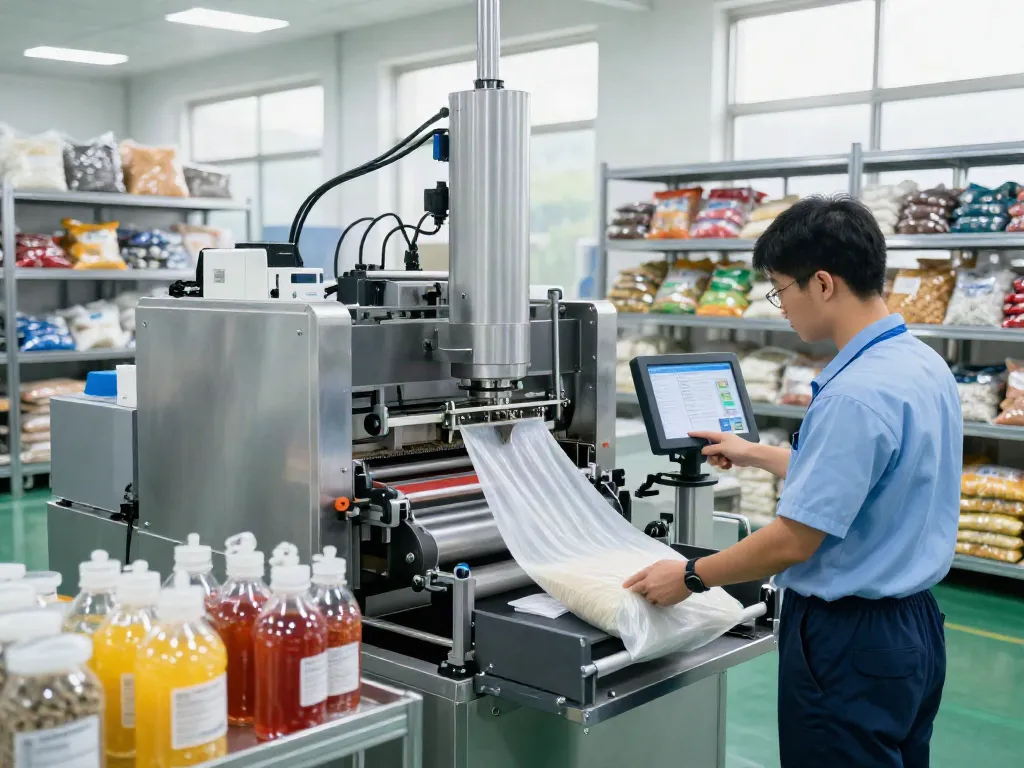
Auto bagging machines automate the process of filling, sealing, and packing products into bags. Utilizing state-of-the-art technology, these machines offer high-speed operations and precise handling of different types of products, including dry goods, liquids, and powders. The core functionality involves automatic bag placement, precise filling using volume or weight measurement systems, and reliable sealing to ensure product integrity.
Benefits of Using a Bagging Machines Manufacturer
- Efficiency: Automated systems significantly reduce the time taken for the packaging process, allowing businesses to increase their output.
- Consistency: Bagging machines ensure uniformity in packaging, minimizing inconsistencies associated with manual labor.
- Cost-Effectiveness: Though initial investments can be significant, the reduction in labor costs and increased productivity often lead to substantial long-term savings.
- Flexibility: Many auto bagging machines come with customizable settings that allow for packaging a variety of products, adapting to changing production needs.
Key Features to Look for in Auto Bagging Machines
When selecting an auto bagging machine, consider the following features:
- Speed: Evaluate the machine's operation speed and throughput to ensure it meets your production demands.
- Ease of Use: A user-friendly interface can significantly reduce training time for new operators.
- Durability: Machines should be built with high-quality materials to withstand continuous operation.
- Maintenance Requirements: Low-maintenance systems can save time and reduce operational downtime.
Industries That Benefit from Auto Bagging Solutions
Auto bagging machines are versatile and can be used across various industries. Here's a closer look at some sectors that exclusively benefit from these solutions:
Food and Beverage Industry Applications
In the food industry, maintaining freshness and safety is critical. Auto bagging machines ensure that products are packaged quickly while adhering to hygiene regulations. They are essential for handling bulk items like grains, snacks, and even liquids, providing options for sealed bags that preserve freshness and extend shelf life.
Pharmaceutical Packaging Needs
Pharmaceutical companies require precise and sterile packaging solutions to comply with regulations. Automated bagging machines can handle various pharmaceutical products, including tablets, capsules, and powders, ensuring they are securely sealed and properly labeled to meet industry standards.
Consumer Goods and Retail Packaging
From laundry detergents to pet food, consumer goods packaging demands high efficiency and aesthetic appeal. Auto bagging machines simplify this process by allowing for rapid packaging, reducing labor costs and enabling manufacturers to respond quickly to market changes.
Challenges Faced in Bagging Processes
Despite the significant advantages of automated bagging systems, challenges can arise, particularly when businesses transition from manual to automated processes. Here are some common issues:
Common Issues with Manual vs. Automated Systems
Manual processes are often susceptible to human error, including incorrect measurements and inconsistent sealing. In contrast, while automated systems minimize these risks, they require careful calibration and regular maintenance to operate effectively.
Mitigating Packaging Errors
One of the primary challenges in automated bagging is ensuring that the machine consistently fills bags correctly. Regular checks and updates to software can help mitigate these errors, as can utilizing machines that provide feedback on filling accuracy.
Ensuring Consistent Quality in Output
Quality control is vital, especially in industries like food and pharmaceuticals. Implementing regular inspections of the bagging process and using machines with in-line quality control features can help maintain high standards throughout production.
Best Practices for Implementing Automated Bagging Machines
Transitioning to automated bagging requires careful planning and execution. Here are effective practices to ensure a smooth transition:
Assessing Your Production Needs
Understanding your specific production requirements is essential before investing in an auto bagging machine. Consider factors like the types of products, production volume, and desired speed to select the most suitable machine.
Integrating Bagging Machines into Existing Workflows
When introducing new bagging systems, it's vital to integrate them seamlessly into your current production line. This may involve reconfiguring existing processes and ensuring that the new system complements other machinery.
Training Staff for Efficient Operation
Proper training is crucial for the successful operation of automated bagging machines. Staff should be educated on the machine's features, maintenance requirements, and troubleshooting to maximize efficiency and minimize downtime.
Future Trends in Bagging Technology for 2026 and Beyond
As technology continues to evolve, so does the landscape of bagging machines. Here are some anticipated advancements and trends for the future:
Advancements in Machine Learning and Automation
Next-generation auto bagging machines are expected to incorporate machine learning, enhancing their ability to adapt to different products and production conditions dynamically. This will lead to smarter systems capable of identifying potential issues before they arise.
Sustainable Packaging Innovations
With increasing emphasis on sustainability, future bagging machinery will likely focus on eco-friendly materials and energy-efficient operations. Manufacturers will need to adapt their processes to meet consumer demand for sustainable practices.
Predictions for the Bagging Machine Market
The global bagging machine market is expected to see steady growth as more industries adopt automated solutions. Technological advancements, along with a focus on efficiency and sustainability, will drive this growth.
Frequently Asked Questions
What types of products can be packaged with auto bagging machines?
Auto bagging machines are capable of packaging a wide array of products, including dry goods, liquids, powders, and even high-value items in secure packaging.
How do I choose the right bagging machines manufacturer?
Selecting the right manufacturer involves evaluating their industry experience, machine specifications, customer service, and the ability to customize solutions based on your specific needs.
What maintenance is required for auto bagging machines?
Regular maintenance is essential for ensuring the longevity of auto bagging machines. This includes routine cleaning, software updates, and mechanical inspections to prevent any disruptions in operations.
Are there automatic bagging solutions for small businesses?
Yes, many manufacturers offer compact and affordable bagging machines that cater to the needs of small businesses, providing flexibility without sacrificing performance.
What are the cost factors in implementing bagging machinery?
Cost factors can include the initial purchase price, installation, maintenance, and potential upgrades. Assessing your budget while considering the long-term benefits of automation is key to making an informed decision.